You do not need a finished design to start a conversation about a change part. You do need to show what the part connects to and what you want it to achieve.
A clear brief makes it easier to identify the missing measurements, discuss the possible configurations and agree the next step.
Show the container
Start with the bottle or product that the line needs to handle. Share a drawing or CAD model if available. Samples and photographs can also help explain the shape and the areas that need support.
Include the relevant dimensions and identify the format. If several bottles are involved, keep each one clearly labelled so images and dimensions can be matched to the right version.
For pucks, the container information helps define the internal support. For timing screws, it is part of evaluating the handling geometry and the intended movement.
Show the existing part and machine interface
If a part already exists, include photographs and any available drawing, scan, CAD or measurement information. Explain whether it is a replacement reference or an example of an arrangement that needs to change.
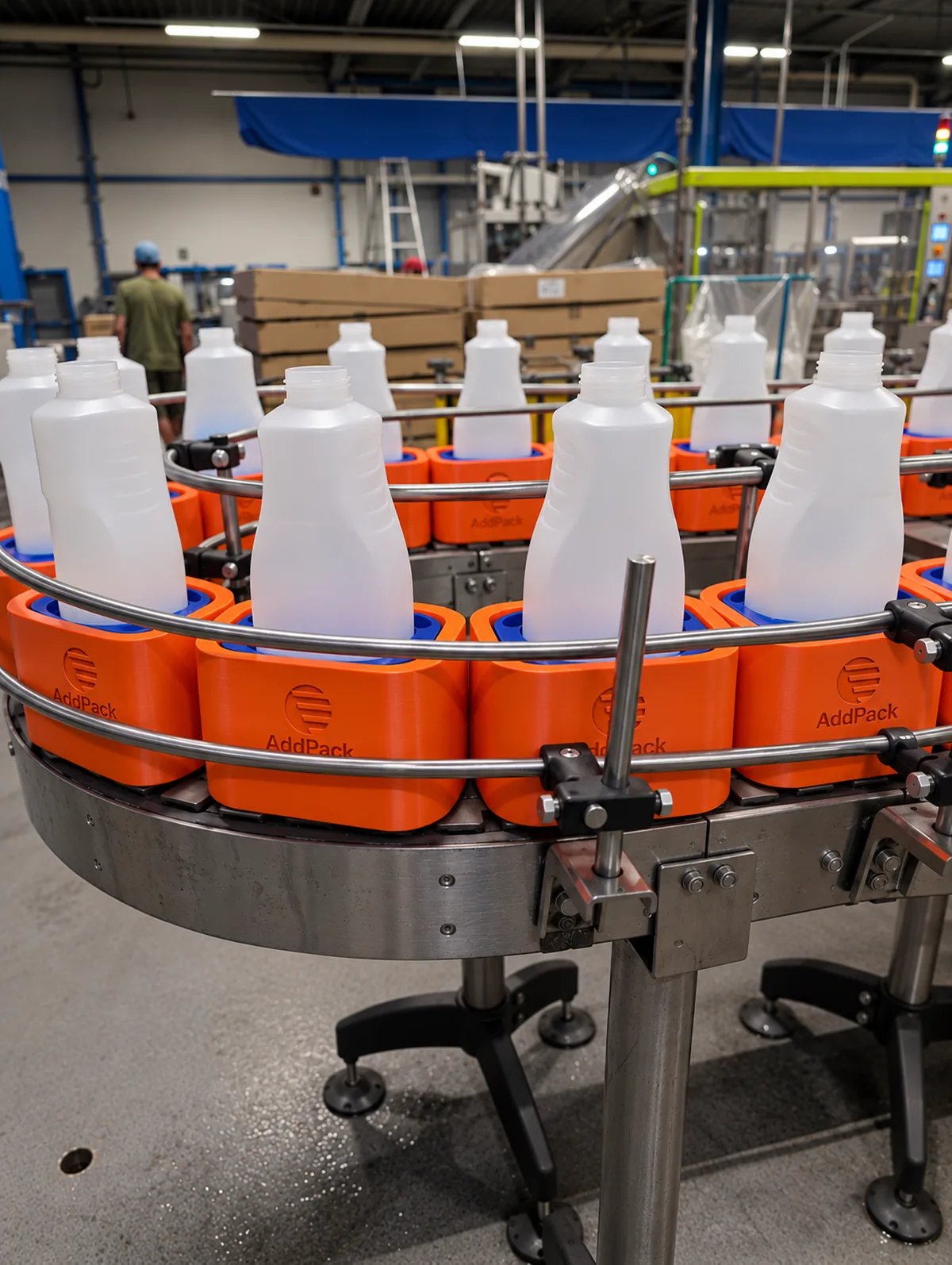
For a puck enquiry, useful starting dimensions are the outer width, height and depth. Also show the transfer points, guides and loading or unloading arrangement.
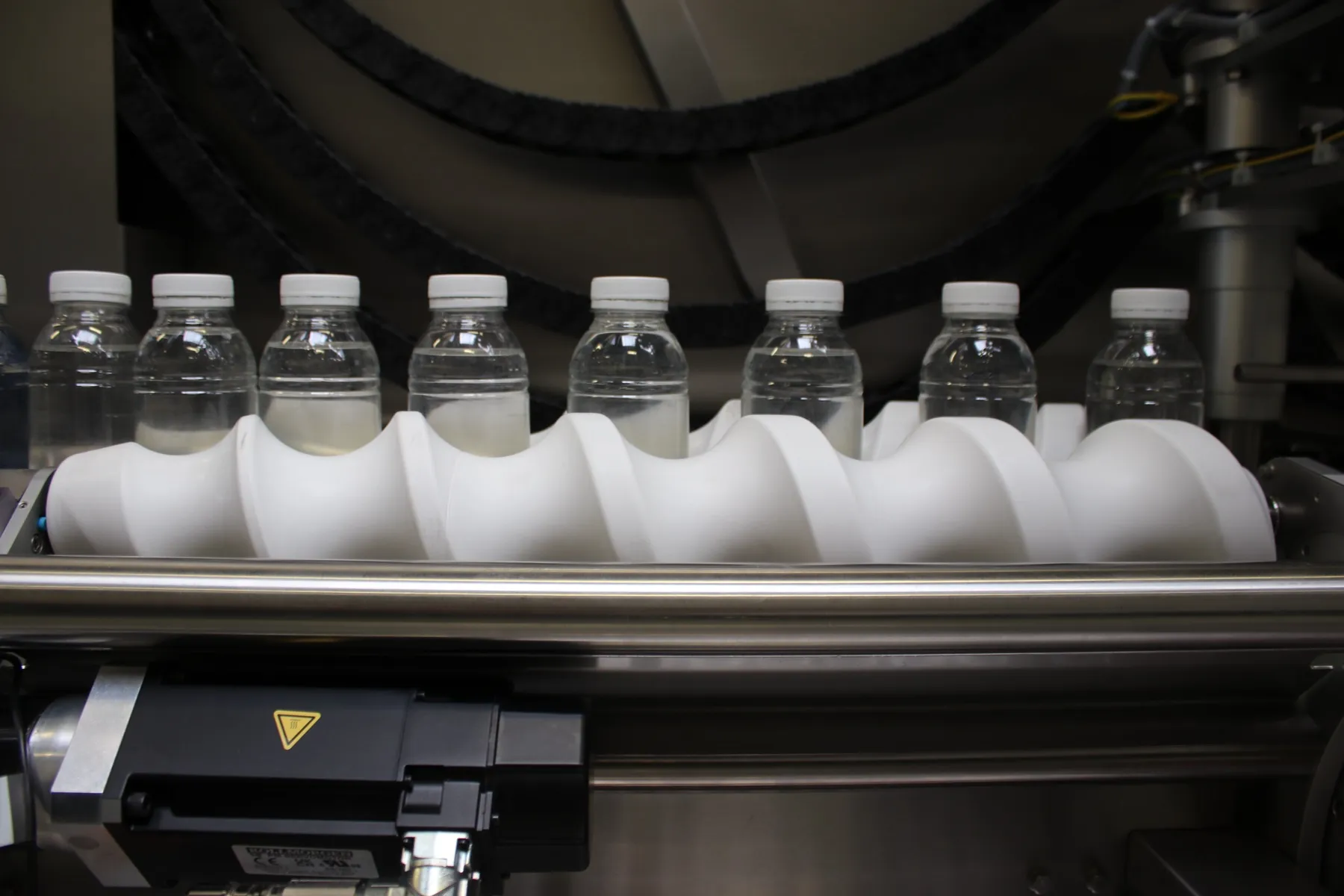
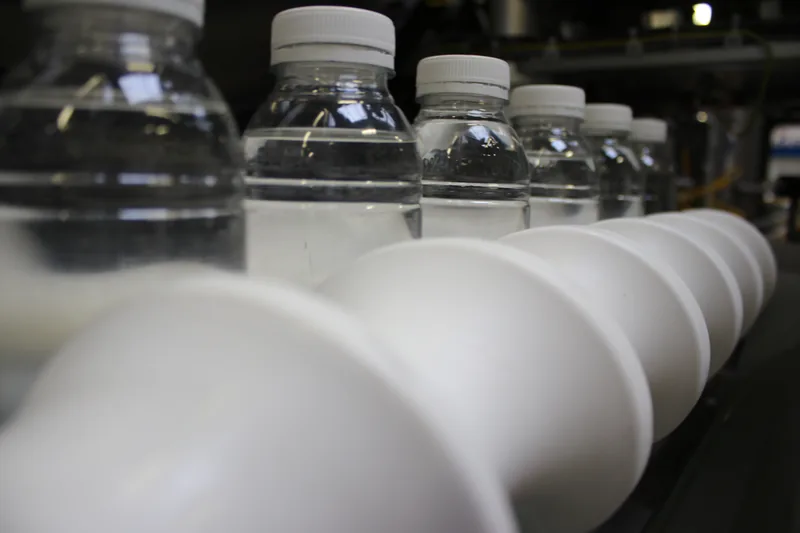
For a timing screw enquiry, include the screw length, container details and the surrounding machine arrangement. Show mounting and interface information where available, including paired screws or guides that affect handling.
A close-up explains the component. A wider photograph explains where it sits. Both can be useful.
Explain the required outcome
Describe the task in plain language. For example:
- Support a bottle that does not travel reliably on its own.
- Introduce a new format while keeping a suitable outer carrier.
- Replace an existing timing screw.
- Establish the container spacing needed at the next station.
- Review an orientation or transfer arrangement.
If the existing component is a useful reference but has a specific limitation, identify that limitation. This helps distinguish a repeat part from a development project.
Add the production context
State the quantity, the formats involved and your intended timing. Include any known material requirements and relevant operating conditions.
Point out what is fixed and what can be changed. An outer puck size, mounting interface or transfer position may be an important constraint even when the internal handling geometry is being redesigned.
If a dimension or detail is not yet known, say so. It can then be identified as an item to confirm during the engineering review.
Bring the brief together
A practical first enquiry can be short:
- The container format and available dimensions.
- The existing component or machine-interface information.
- The handling task or issue to address.
- The required quantity and intended timing.
- Any known constraints or missing information.
AddPack reviews the available information to establish a suitable starting point. Geometry, interfaces and fit are agreed before production.
Start an offer request with the information you have, or contact the team to discuss the application first.